
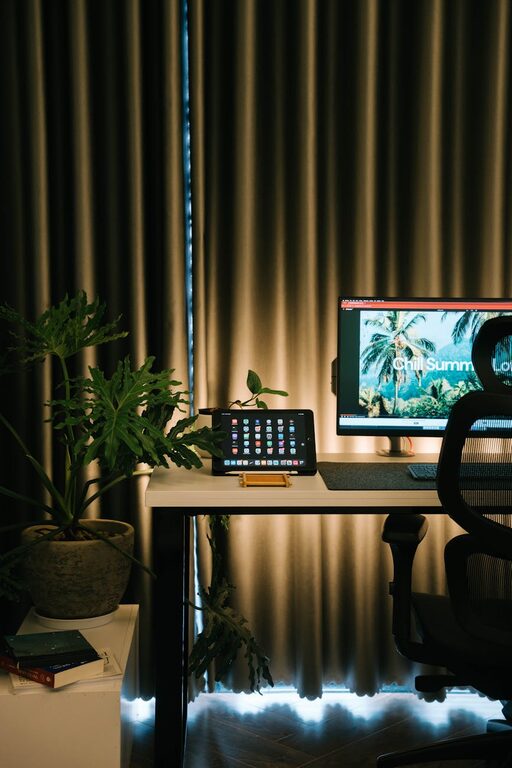
Creating a cozy and inviting home office space can make a big difference in how you feel about working from home. Whether you spend a few hours or most of your day at your desk, a well-designed workspace helps improve focus, reduce stress, and increase productivity. In this post, we’ll explore practical and easy tips to transform your home office into a space you look forward to using.
1. Choose the Right Location
Start by selecting a spot in your home that suits your work habits and lifestyle. Ideally, this space should offer:
– A quiet environment to minimize distractions
– Good natural light to uplift your mood and reduce eye strain
– Enough room for your desk and office essentials without crowding
If space is limited, consider creative options like a small corner in your living room or a nook near a window.
2. Invest in Comfortable and Functional Furniture
Comfort is key when it comes to home office furniture. Your chair and desk are the foundation of your workspace.
– Ergonomic Chair: Choose a chair that supports your back and encourages good posture to avoid discomfort during long working hours.
– Appropriate Desk Height: Ensure your desk is at a height where your arms rest comfortably while typing or writing.
– Storage Solutions: Include shelves, drawers, or filing cabinets to keep your materials organized and within reach.
Remember, comfortable furniture helps reduce fatigue and increases your ability to stay focused.
3. Optimize Lighting for Comfort and Focus
Good lighting influences productivity and comfort. Here’s how to get it right:
– Natural Light: Position your desk near a window to benefit from daylight. However, adjust blinds or curtains to avoid glare.
– Task Lighting: Use desk lamps with adjustable brightness and color temperature to illuminate your work area directly.
– Ambient Lighting: Soft overhead lighting adds warmth and prevents harsh shadows.
Proper lighting reduces eye strain and creates a welcoming atmosphere.
4. Personalize Your Workspace Tastefully
Adding personal touches can make your home office feel less sterile and more enjoyable to be in without causing clutter.
– Plants: Small potted plants or succulents improve air quality and provide a calming presence.
– Artwork: Select framed prints or photos that inspire or uplift you.
– Decorative Objects: Use items like cushions, rugs, or notebooks that reflect your style but don’t overwhelm the space.
Balance is important—keep decorations minimal to avoid distraction.
5. Keep Your Space Organized and Clutter-Free
Organization supports efficiency and peace of mind. Follow these tips to maintain a tidy office:
– Declutter Regularly: Remove papers or items you no longer need.
– Use Organizers: Desk trays, pen holders, and cable management tools keep supplies orderly.
– Designate Zones: Keep work materials in one area and personal items in another.
A clutter-free desk helps you concentrate better and reduces stress.
6. Incorporate Calming Colors and Textures
Colors and textures influence mood and energy in a room.
– Choose Soothing Colors: Soft blues, greens, or neutrals create a calm and focused environment.
– Add Texture: Incorporate cozy fabrics like a plush rug or cushions to make the space inviting.
Avoid overly bright or distracting colors which can cause restlessness.
7. Manage Noise for Better Concentration
Sound can impact your productivity significantly.
– Use Noise-Canceling Headphones: These help block background sounds when needed.
– Add Soft Furnishings: Curtains, rugs, and upholstered furniture absorb noise.
– Consider White Noise Machines or Soft Music: These can mask distracting sounds.
A quiet workspace allows for better focus and less stress.
8. Set Up Technology Thoughtfully
Technology is essential in a home office, but it can also create clutter or distractions.
– Cable Management: Use clips, sleeves, or boxes to organize cords and chargers.
– Essential Equipment Only: Limit devices on your desk to the ones you use daily.
– Adjust Screen Setup: Position monitors at eye level to maintain good posture and reduce neck strain.
A neat technology setup improves comfort and efficiency.
Final Thoughts
Creating a cozy and inviting home office doesn’t require a major renovation. By paying attention to location, furniture, lighting, personalization, and organization, you can build a workspace that feels comfortable and supports your productivity. Small changes like adding a plant or managing cables might seem simple, but they contribute to a more pleasant and efficient environment. Take time to tailor your space to your needs and preferences, making it a place where you enjoy spending time every day.