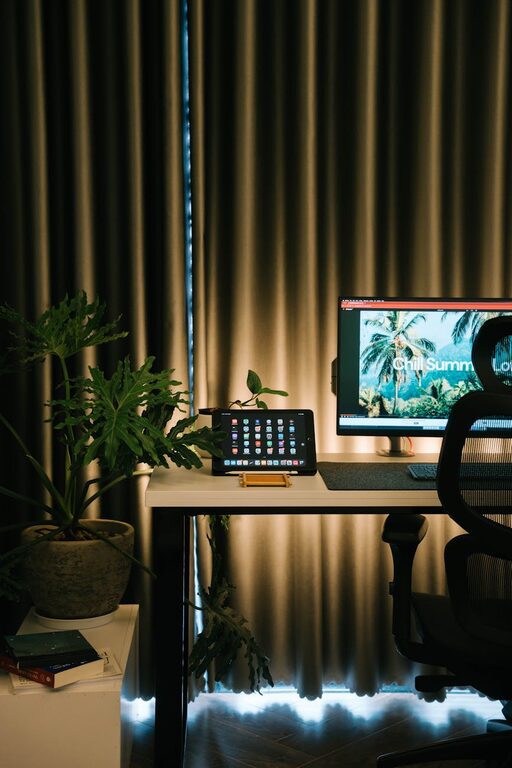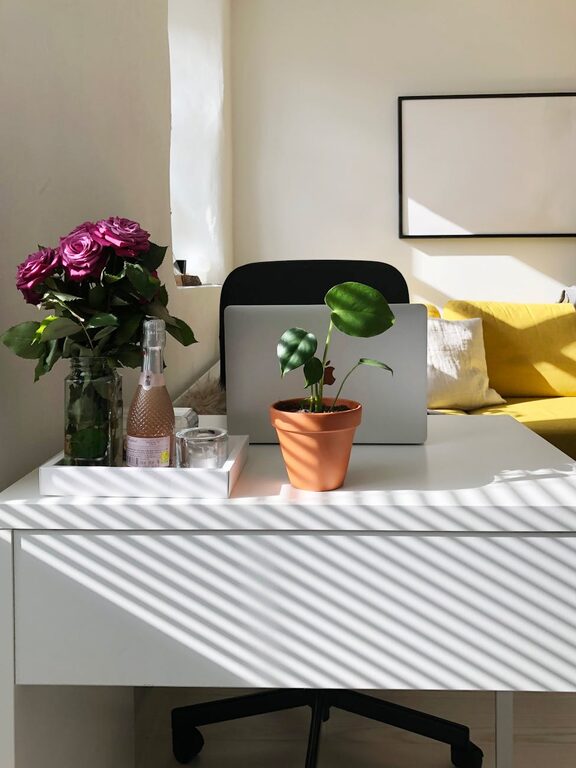
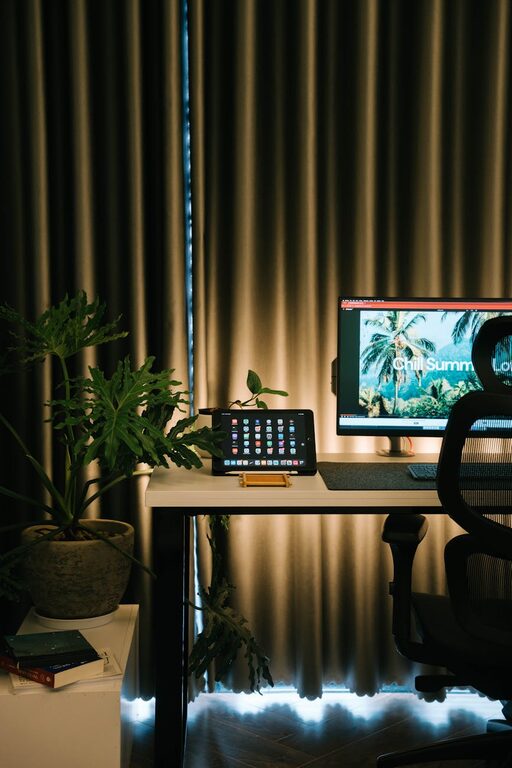
Creating a cozy and productive home office environment can transform the way you work. Whether you are new to remote work or looking to refresh your current setup, a well-designed space can boost your focus, comfort, and creativity. In this post, we’ll explore easy-to-implement tips that help you achieve a balanced workspace tailored to your needs.
1. Choose the Right Location
Find a Quiet and Well-Lit Spot
Selecting the right area in your home is the first step. Ideally, pick a space that is quiet to minimize distractions and has good natural light. Natural sunlight helps reduce eye strain and improves mood, making your work hours feel less tiring.
Consider Privacy and Noise Levels
If possible, avoid high-traffic or noisy parts of your home. If you don’t have a dedicated room, think about using room dividers or noise-canceling headphones to create a sense of separation.
2. Invest in Comfortable and Functional Furniture
Ergonomic Chair and Desk
Comfort begins with your chair and desk. A supportive ergonomic chair helps maintain good posture and prevents back pain. Pair it with a desk at the right height to avoid strain on your wrists and shoulders.
Use Adjustable Furniture
Flexible furniture, like an adjustable standing desk, allows you to change positions during the day. Moving between sitting and standing can improve circulation and reduce fatigue.
3. Optimize Lighting
Combine Natural and Artificial Light
While natural light is ideal, it may not be sufficient especially during evening hours or cloudy days. Add layered lighting such as a desk lamp for focused tasks and ambient light to create a warm, inviting atmosphere.
Avoid Harsh Glare and Shadows
Position your screen to avoid glare from windows or lights. Using adjustable curtains or blinds can help control natural light intensity.
4. Personalize Your Space
Add Comforting Elements
Incorporate items that make you feel relaxed and motivated—this could be plants, artwork, pillows, or a cozy rug. Greenery not only adds color but can also improve air quality and reduce stress.
Keep It Organized
Decluttering your desk and office area promotes a clear mind and better productivity. Use organizers, shelves, or storage bins to keep supplies and documents tidy.
5. Maintain Good Organization and Workflow
Plan Your Layout for Efficiency
Arrange frequently used items within easy reach to minimize distractions and save time. Having a dedicated spot for everything can streamline your daily tasks.
Use Technology Wisely
Make sure your internet connection is reliable and that your devices are up to date. Consider using noise-canceling headphones or apps that block distracting websites during focused work sessions.
6. Create Boundaries for Work and Rest
Set Regular Hours
Establish a clear start and finish time to balance work and personal life. Consistency helps your brain associate your workspace with productivity while allowing time to relax afterward.
Take Breaks and Move Around
Schedule short breaks to stretch or walk around. Regular movement helps maintain energy levels and reduces the risk of health issues related to prolonged sitting.
7. Maintain Comfort and Air Quality
Control Temperature and Ventilation
A comfortable temperature supports concentration. Use fans, heaters, or open windows as needed to keep the air fresh and at a pleasant temperature.
Keep Your Workspace Clean
Regular cleaning reduces dust and allergens that affect breathing and focus. Wipe down surfaces and vacuum or dust regularly.
Conclusion
Creating a cozy and productive home office is about blending comfort with function. Small changes—from adding plants to improving lighting—can make a big difference in your daily work experience. Experiment with these tips to find what best suits your routine and helps you stay motivated, focused, and comfortable.
Remember, a well-designed workspace supports not only your tasks but also your wellbeing. Start simple, personalize your area, and enjoy the benefits of a home office designed for success.