
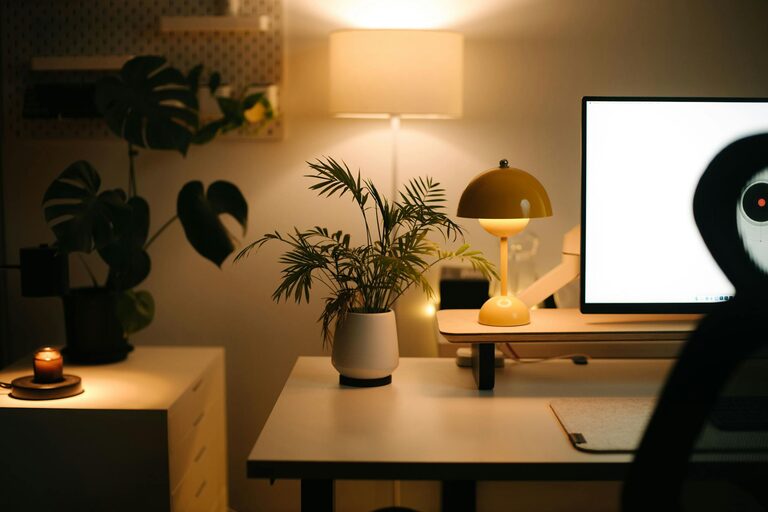
Creating a home workspace that feels both relaxing and productive can make a big difference in your daily work routine. Whether you work from home full-time or just occasionally, having a dedicated area designed for comfort and focus helps reduce stress and improve efficiency. In this post, we’ll explore practical tips to help you design a workspace that supports both productivity and relaxation.
Why a Relaxing Workspace Matters
Working in an environment that feels calm and organized helps your mind stay focused. When your workspace causes distractions or discomfort, it can make tasks feel overwhelming and decrease motivation. A relaxing workspace isn’t just about aesthetics—it’s about creating a setting where you can work effectively while feeling comfortable.
Choosing the Right Location
Find a Quiet Spot
Select an area of your home with low noise and minimal foot traffic. Quiet helps you concentrate and prevents interruptions.
Ensure Good Lighting
Natural light is ideal for workspaces. Position your desk near a window if possible. If natural light is limited, use soft artificial lighting that reduces glare and eye strain.
Consider Your Space Needs
Think about the size and layout of the space. Make sure you can fit your desk, chair, and any necessary equipment without feeling cramped.
Invest in Ergonomic Furniture
Comfortable Chair
Choose a chair that supports your back and encourages good posture. Adjustability is key: height, backrest, and armrests should suit your body.
Desk Height and Space
A desk with the right height helps prevent strain on your wrists and shoulders. Also, it should have enough surface area for your computer, notepad, and any other tools you use regularly.
Organize Your Workspace for Calm
Declutter Regularly
Keep your workspace tidy by removing unnecessary items. A clean desk helps lower mental clutter and promotes focus.
Use Storage Solutions
Employ shelves, drawers, or bins to store supplies neatly. Labeling helps find things quickly and keeps your space orderly.
Add Personal Touches Wisely
Include Plants
Small indoor plants improve air quality and add a calming, natural element to your workspace.
Display Inspiring Items
Place a few personal items or artwork that motivate you without creating distractions.
Incorporate Relaxation Elements
Comfortable Textiles
Use cushions or a small throw for added comfort during breaks or long working hours.
Aromatherapy
A diffuser with subtle essential oils like lavender or eucalyptus can promote relaxation and mental clarity.
Set Boundaries and Routines
Define Working Hours
Establish clear start and end times for your workday to help maintain a healthy work-life balance.
Create Transition Rituals
Begin your workday with a routine such as tidying your desk, stretching, or making a cup of tea. This signals your brain it’s time to focus.
Minimize Digital Distractions
Manage Notifications
Turn off non-essential notifications or use apps to block distracting sites during work hours.
Use Headphones
Noise-canceling headphones can help maintain focus, especially if you can’t control ambient noise.
Prioritize Air Quality and Temperature
Ventilation
Ensure your space is well-ventilated with fresh air to keep you alert and comfortable.
Temperature Control
Maintain a comfortable temperature; use a fan or heater if necessary to avoid discomfort.
Take Regular Breaks
Follow the 20-20-20 Rule
Every 20 minutes, look at something 20 feet away for 20 seconds to reduce eye strain.
Stretch and Move
Stand up and stretch or take a quick walk to stay energized and avoid stiffness.
—
By making thoughtful adjustments to your home workspace, you can create an environment that not only boosts your productivity but also feels relaxing and inviting. Remember, a comfortable workspace is a place where work doesn’t feel like a chore but a part of a balanced and enjoyable day. Start with small changes and tailor your setup until it feels just right for you.