Creating a home office that is both cozy and productive can significantly enhance your work-from-home experience. Whether you’re setting up a new space or refreshing an existing one, a few thoughtful changes can make your office more inviting and efficient. This guide will walk you through practical tips to help you create a workspace that fuels creativity and focus while keeping comfort in mind.
Choose the Right Location
Starting with the location of your home office is essential. Here are some points to consider:
– Quiet and Private: Select a spot with minimal distractions. This could be a spare room, a quiet corner, or even a section of your bedroom.
– Natural Light: A space near a window provides natural light, which can boost mood and reduce eye strain.
– Ventilation: Good airflow keeps the room fresh and comfortable.
– Space for Essentials: Make sure there is enough room for your desk, chair, and storage needs without feeling cramped.
Invest in Comfortable Furniture
Comfort is key for long hours spent working. Prioritize ergonomic furniture that supports your posture:
– Desk: Choose a desk with enough surface area for your computer, paperwork, and other supplies.
– Chair: Invest in an ergonomic chair with adjustable height and lumbar support.
– Additional Seating: Consider a cozy chair or small sofa for reading or brainstorming away from your desk.
Organize with Purpose
A clutter-free environment promotes a clear mind and better focus. Use these tips to organize your space:
– Storage Solutions: Use shelves, drawers, or filing cabinets to keep documents and supplies tidy.
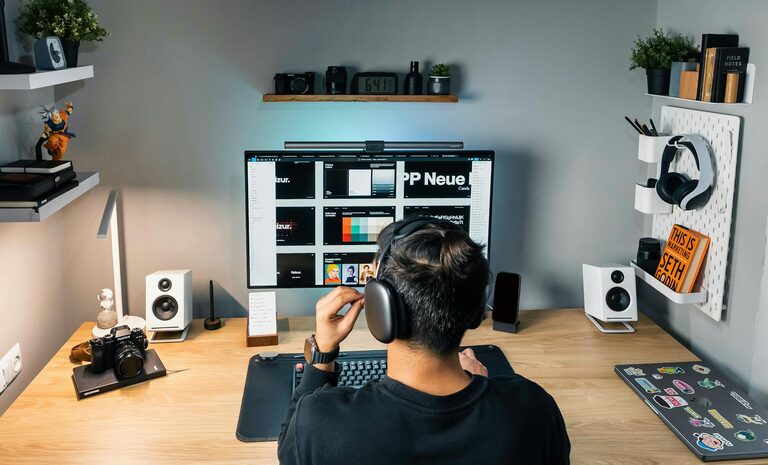
– Desk Accessories: Limits items on your desk to essentials, like a lamp, notepad, and pen holder.
– Cable Management: Use clips, sleeves, or ties to keep cords neat and out of the way.
– Digital Organization: Keep your digital files organized to reduce stress and improve workflow.
Incorporate Personal Touches
Adding personal touches can make your workspace feel more welcoming and inspiring:
– Decor: Hang art or photos that motivate you.
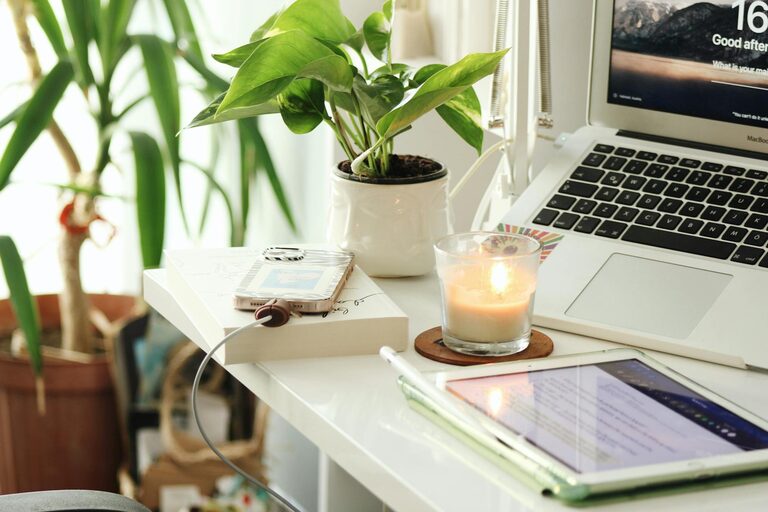
– Plants: Small indoor plants add color and improve air quality.
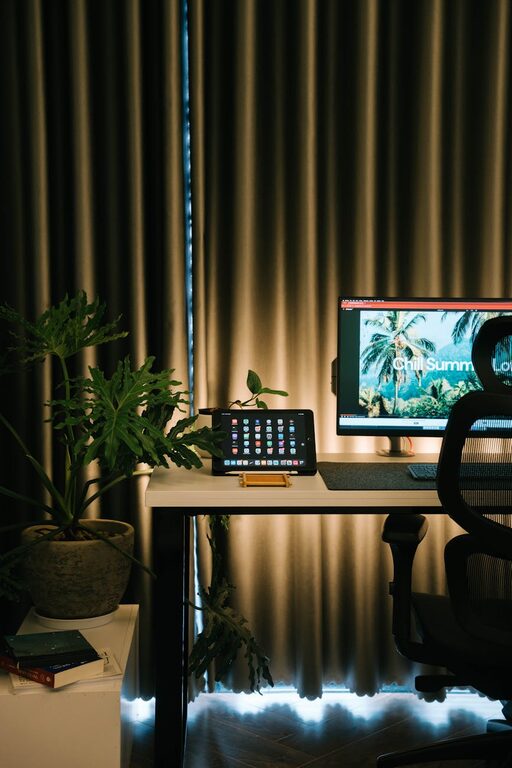
– Lighting: Use a combination of overhead lighting and desk lamps to create a warm atmosphere.
– Colors: Choose wall colors or accents that calm or energize you, such as soft blues or vibrant yellows.
Minimize Distractions
Reducing interruptions helps maintain productivity.
– Noise Control: Consider noise-cancelling headphones or a white noise machine if you’re in a noisy area.
– Set Boundaries: If you share your home, communicate your working hours to family or housemates.
– Limit Non-Work Items: Keep toys, TV remotes, and other distractions out of your office area.
Optimize Technology
Having the right technology setup is vital.
– Reliable Internet: Ensure your internet connection is stable and fast enough for video calls and large file transfers.
– Multiple Screens: If possible, use two monitors to increase productivity.
– Keyboard & Mouse: Invest in quality peripherals for comfort and ease of use.
– Backup Power: Consider a surge protector or battery backup to prevent data loss during power outages.
Create a Routine Around Your Space
Your office will feel more productive if it fits into a structured daily routine.
– Regular Hours: Try to work consistent hours to create a natural boundary between work and personal time.
– Break Areas: Have a designated spot for breaks to mentally separate work and relaxation.
– Daily Preparation: Spend a few minutes at the start and end of your day organizing your desk and planning tasks.
Keep It Clean and Fresh
Maintaining cleanliness contributes to a cozy environment.
– Daily Tidying: Take a moment each day to clear your desk and wipe surfaces.
– Air Quality: Use an air purifier if necessary or open windows regularly.
– Scent: Consider subtle, calming scents like lavender or citrus via diffusers or candles (safely handled).
Customize for Your Work Style
Every person works differently, so tailor your space to fit your habits:
– Standing Desk: If you prefer to alternate between sitting and standing, consider a sit-stand desk.
– Whiteboard or Corkboard: Useful for visual thinkers to track ideas and tasks.
– Music Setup: If music helps you focus, set up a sound system or Bluetooth speakers.
—
By combining comfort with practical features, you can design a home office that not only looks inviting but also supports your productivity. Remember, your space should be flexible and evolve with your needs—don’t hesitate to make adjustments as you discover what helps you work best. A cozy, organized environment can make working from home a pleasant and productive experience every day.